
Sequels, Remakes, and the Slow Death of Originality in Gaming
PlayStation 5 and Xbox Series X|S rely on sequels and remasters, as big studios favor safe bets over bold innovation.
The PlayStation 5 and Xbox Series X|S era kicked off back in the autumn of 2020, and by 2026 it has already spent half a decade relying on the same diet: sequels, remasters, and shiny remakes. Sure, the indie scene still dares to color outside the lines, but the big studios – the ones that pump out the blockbusters – have decided that safe is the new sexy. And let’s be honest… it’s getting a little predictable.
Sony’s first-party lineup is practically a franchise reunion party. Santa Monica Studio gifted us God of War Ragnarök, a sequel that took the “more is more” philosophy and ran with it until Kratos’s beard had its own character arc. Insomniac Games has been spinning webs faster than Peter Parker, delivering a Ratchet & Clank follow-up and not one but two Spider-Man sequels – and whispers of even more Marvel content are floating around the industry. Guerrilla Games, meanwhile, politely asked the Killzone series to take a permanent vacation and instead adopted Horizon as its forever home, nurturing it through two mainline adventures and a VR spin-off. No harm in loving your creation, but when the whole family photo looks like a clone parade, the thrill fades.
Then there’s Naughty Dog. Once the studio that reinvented itself every console generation – from Crash Bandicoot to Jak and Daxter, then to Uncharted and The Last of Us – it has now released three games on the PS5. All of them remasters. Played them all, had a good time, but the old Naughty Dog would have already teased something completely fresh by now. It’s like watching a rock star who used to record groundbreaking albums suddenly start releasing greatest hits compilations over and over. You still tap your foot, but you can’t help wondering if the creative tank is running on fumes.
Rocksteady Studios knows this feeling. After vanishing for nine years, it came back with a title set in the same universe as its previous three games, stuffed to the gills with live-service mechanics that made it feel less like a passion project and more like a spreadsheet with a UI. WB Games Montréal had already walked that path, unveiling a Batman game where Batman was mostly on a coffee break, and the live-service garnish left fans with indigestion. These games launch, they stumble, and the audience collectively mumbles, “Really? Another one?”
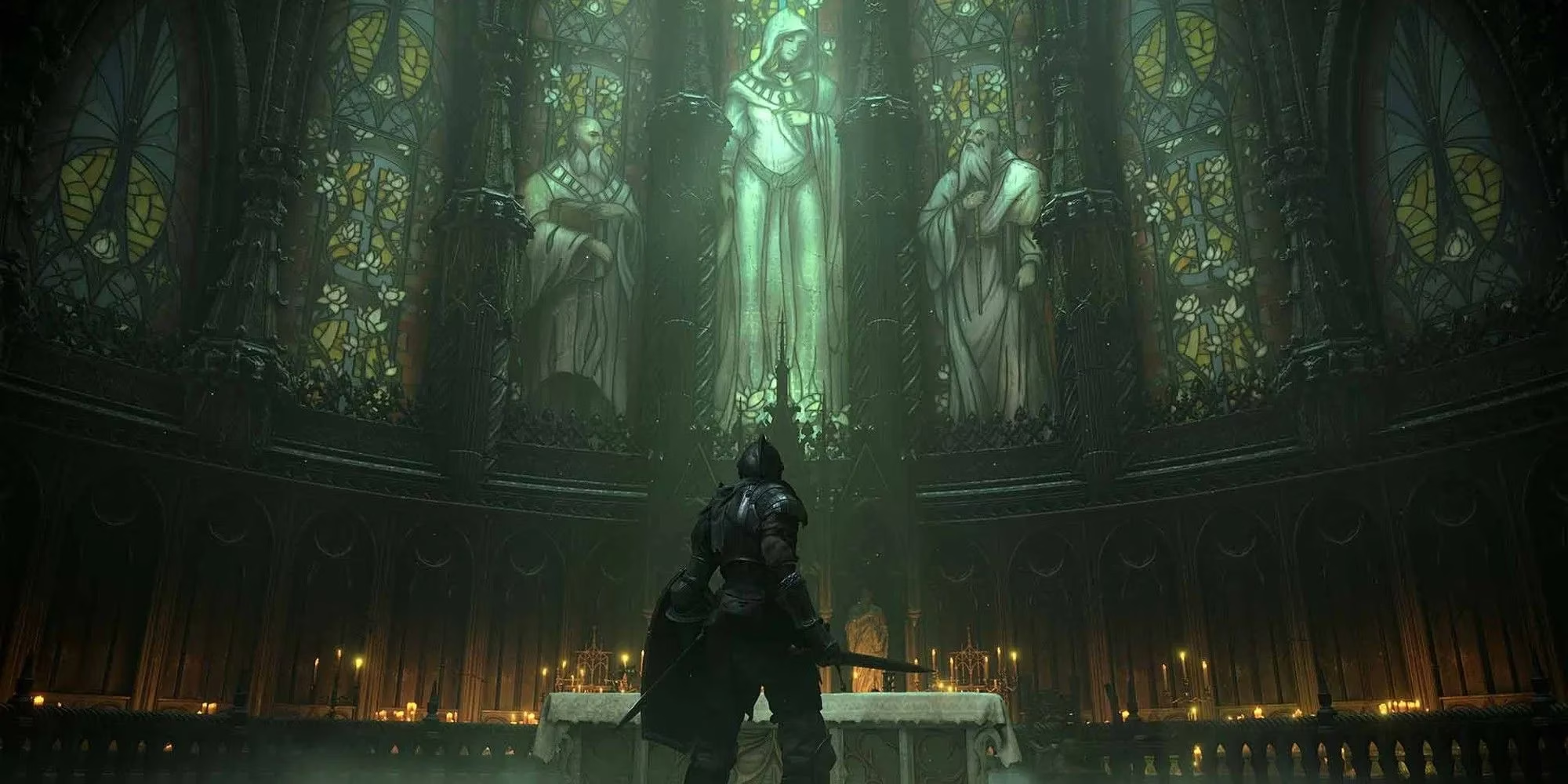
Why the allergy to new ideas? It’s not laziness – it’s math, the kind that makes accountants sweat. Back in the day a game took a year or two to make; now four or five years is the norm. Pour half a decade into an original IP, and you’d better hope the public laps it up. When Starfield arrived, Bethesda marketed it as its first new universe in 30 years. Initial sales looked okay, but soon the reception curdled. Mixed reviews, a snub at The Game Awards, and Steam user reviews that started at “fine” and slid into “mostly negative.” It became the poster child of overpromising and underdelivering. Volition tried to break free of Saints Row with Agents of Mayhem – it flopped. The 2022 Saints Row reboot then flopped even harder, and the studio closed its doors. Bend Studio’s Days Gone sold decently but critics were not kind, and Tango Gameworks delivered a true creative gem in Hi-Fi Rush, a rhythm-action delight, only to see sales that made the music stop far too soon.
So studios do the logical, heartless thing: they retreat to the familiar. But here’s the kicker – playing it safe carries its own dangers. When a developer spends years trying to recreate past glories, it risks forgetting what made it special in the first place. BioWare, after stumbling through a game-as-a-service misfire, is now bleeding veteran talent while promising new entries in old, beloved series. Meanwhile, a hungrier studio – Larian – snatched Game of the Year glory by working in the party-based, romance-tinged niche BioWare pioneered decades ago, but with a modern, risk-taking soul. The audience had been craving that dish, and Larian served it fresh. The moral? You can spin the same hits for only so long before the crowd starts checking their phones.
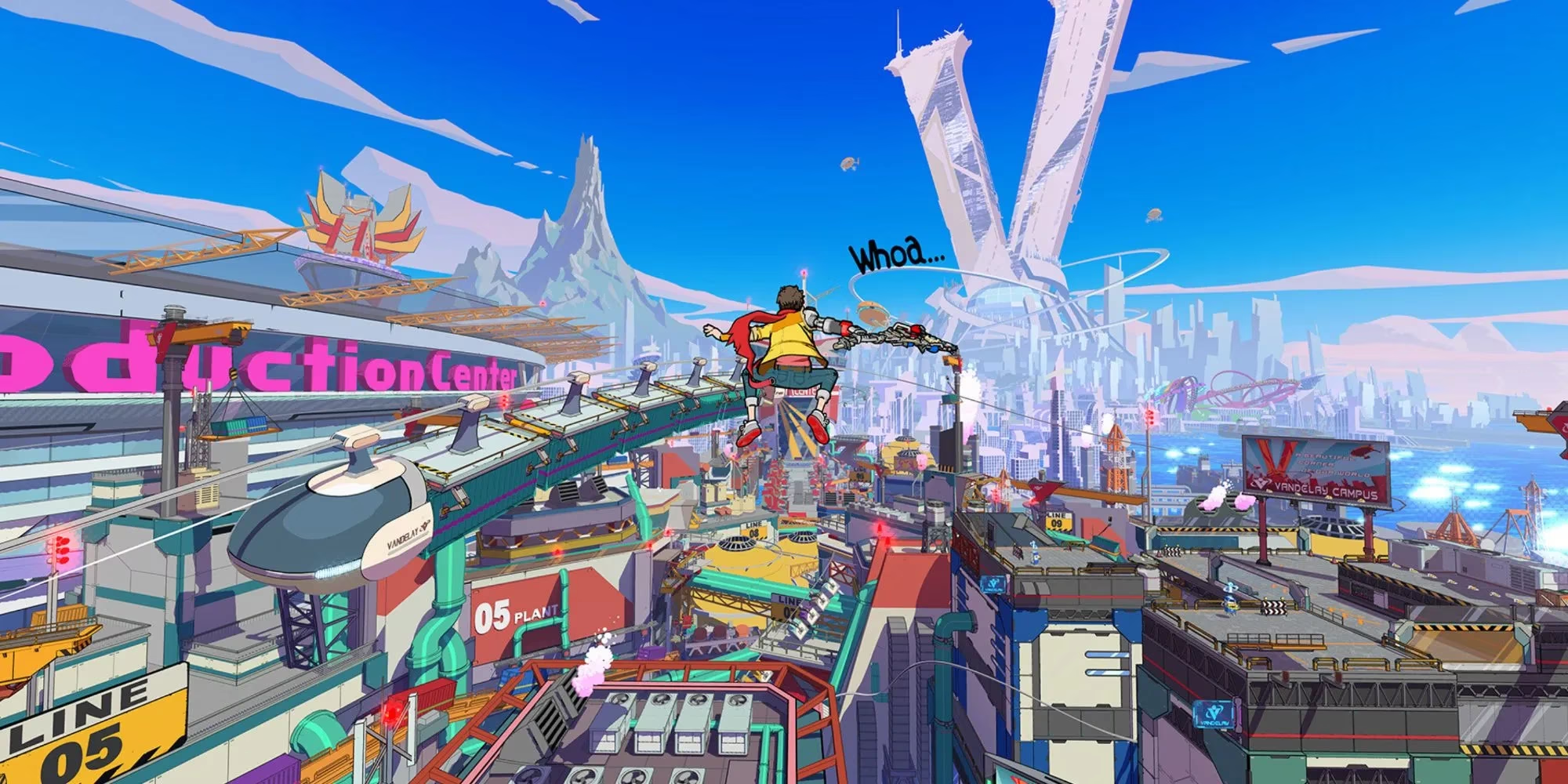
As 2026 unspools, the second half of this console generation begs for a little rebellion. Games like Hi-Fi Rush proved that originality still sparks joy, even if the ledger didn’t sprout dollar signs overnight. We need more of that creative spirit, more “let’s see what happens” energy, and less “what worked last time.” And honestly? It’s about time the industry remembered how to gamble a little. Not every swing has to be a home run, but if nobody steps up to the plate, the game just gets… boring.