
Dear Game Freak: Steal Zelda's Shrine Homework for Gen 10 Gyms
Pokémon Gym Tests should borrow Zelda: Tears of the Kingdom’s shrine ingenuity: reward creative solutions and use open-world verbs.
Hello, my name is a recovering Pokémon apologist, and I have a confession: in 2026 I still lie awake wondering why Scarlet and Violet's Gym Tests felt like minigames designed by a committee of sleepy Psyduck. I say this with love, a bucket of Max Repels, and the charred remains of my competitive patience. The next Pokémon generation is looming, and Game Freak has a perfectly good homework sheet sitting right there in The Legend of Zelda: Tears of the Kingdom. Yes, I am asking Pokémon to copy Zelda's shrine notes. No, I will not be taking questions until I finish my sandwich.
The comparison is not as cursed as it sounds. Both franchises build puzzles, both ask players to think, and both occasionally ask players to do something deeply silly with a timer. The difference is that Tears of the Kingdom treats shrine puzzles like playgrounds for player ingenuity, while Scarlet and Violet's Gym Tests often felt like school worksheets with a Pokémon sticker slapped on top. In 2026, with Scarlet and Violet well behind us and the next generation on the horizon, that gap is still the most useful design lesson Game Freak can study.
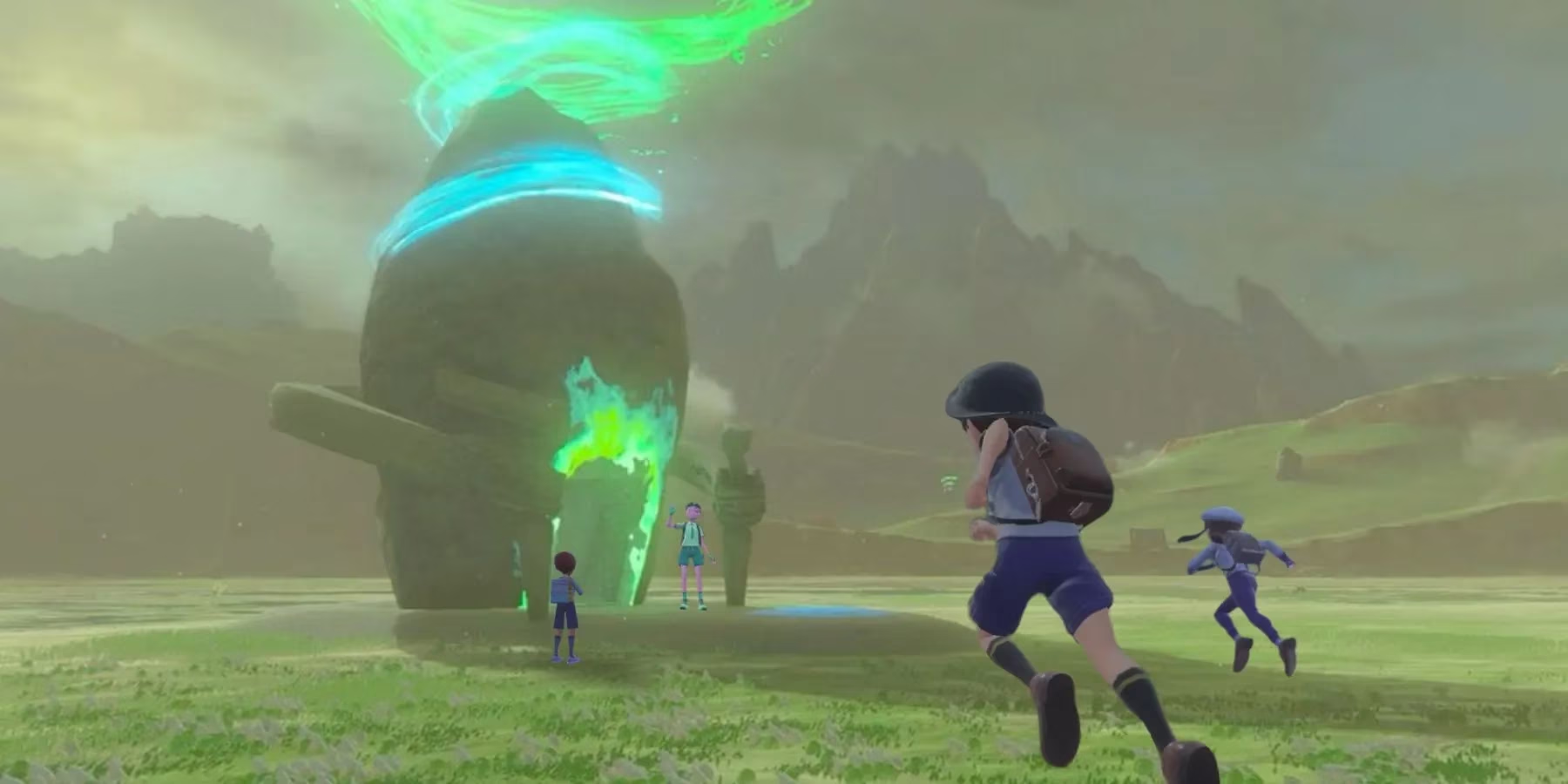
The Gym Test Problem: Great Ideas, Wobbly Execution
Let me be fair before the angry comments arrive: Scarlet and Violet had flashes of gym brilliance. Glaseado's Snow Slope Run used traversal mechanics in a way that felt genuinely native to the open world. Medali's secret menu challenge rewarded curiosity and gave us the glorious image of trainers interrogating sandwich vendors like detectives in a culinary noir. Those tests understood the assignment. They were Pokémon gyms that remembered they existed inside a big, weird, explorable world.
Then there were the others. Montenevera gave us standard double battles. Alfornada handed us quick-time events that felt like they escaped from a mobile spin-off. Artazon's Sunflora Hide and Seek and Cortondo's Olive Roll were cute ideas, but their design often buckled under inconsistent difficulty and the game's technical wobbles. I love Scarlet and Violet, but I cannot pretend their Gym Tests were a masterclass in puzzle pacing. Some felt like appetizers; others felt like the waiter forgot the main course and brought me a napkin with a type chart on it.
| Design question | Scarlet and Violet Gym Tests | Tears of the Kingdom shrines | Lesson for Gen 10 |
|---|---|---|---|
| What comes first? | Often a theme or gimmick | A mechanic and a player goal | Design the puzzle before the gym leader's personality |
| How many solutions? | Usually one intended path | Multiple solutions through creativity | Reward player ingenuity, not mind-reading |
| How does the world matter? | Sometimes traversal, sometimes not | Abilities interact with the environment | Make gyms use the open world's verbs |
| What is the difficulty curve? | Inconsistent across gyms | Flexible and self-paced | Scale challenge with player skill and route order |
Tears of the Kingdom Understands the Assignment
Tears of the Kingdom's shrines are not perfect. Some are short, some are strange, and some made me stare at a pile of Zonai devices like a raccoon confronted by a Rubik's cube. But the good ones share a philosophy: give the player tools, give them a goal, then get out of the way. Ultrahand, Fuse, Ascend, and Recall are not just abilities; they are verbs that invite experimentation. A shrine can be solved with a clean, elegant build or with a contraption that looks like a lawn chair having an existential crisis. Both work. That is the magic.
Pokémon gyms could learn from this without becoming Zelda clones. Imagine a Water gym built around swimming traversal and current manipulation, where players can either solve the puzzle efficiently or brute-force it with a delightfully overcomplicated route. Imagine a Grass gym that uses berry planting and weather timing, or an Electric gym that turns route planning into a circuit puzzle. The gym leader's type specialty should be the flavor, not the entire design document. Build the puzzle first, then ask what kind of person would live in this gym and make challengers suffer through it with a smile.
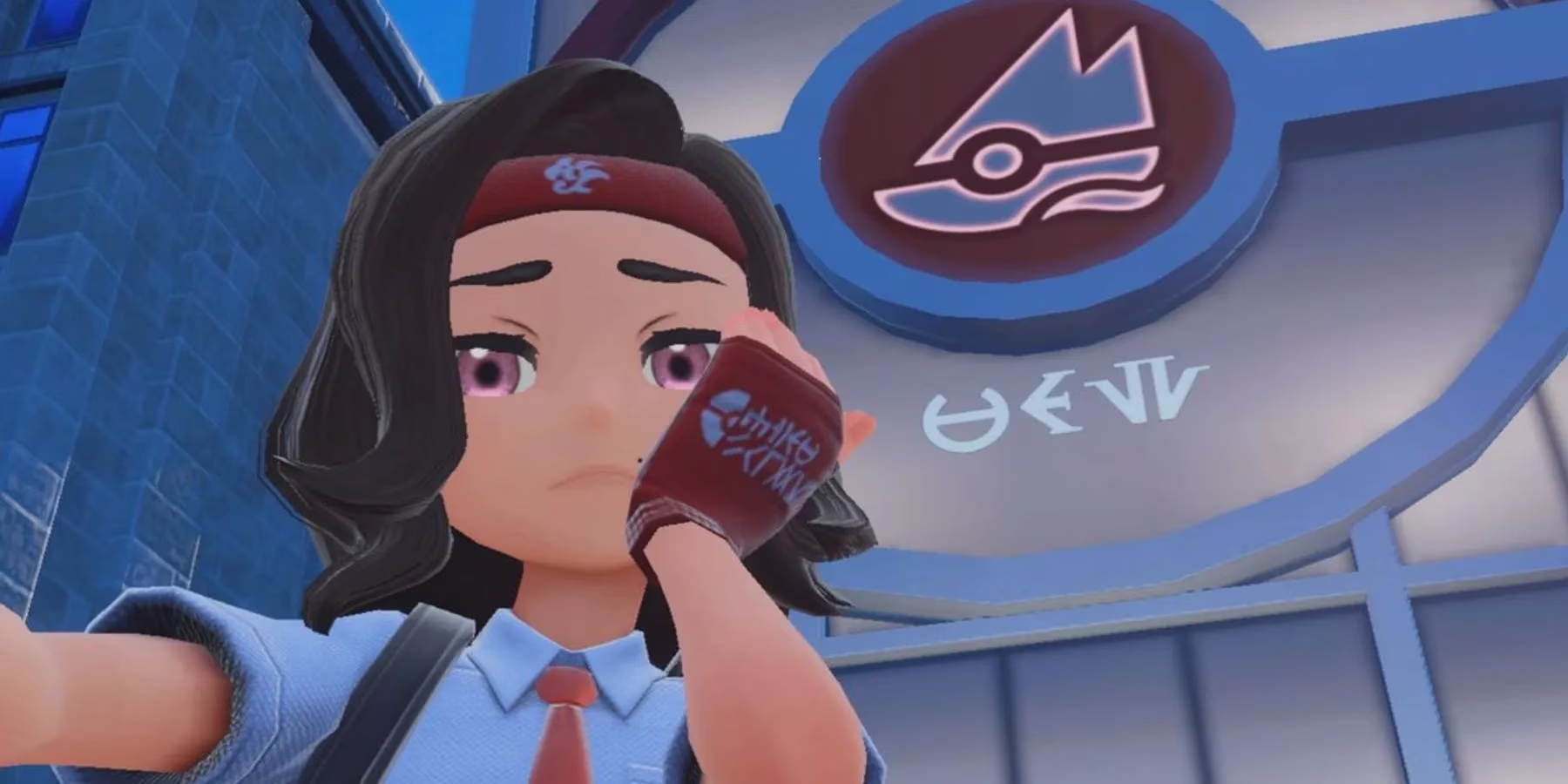
A Puzzle-First Future for Gen 10
Here is my totally reasonable, definitely not over-caffeinated wish list for the next generation:
-
🧩 Design puzzles before personalities. Let the gym mechanic inspire the leader's characterization, not the other way around.
-
🛠️ Use the open world's verbs. If players can climb, glide, swim, sneak, and cook, gyms should occasionally ask them to do those things with purpose.
-
🎯 Allow multiple solutions. A gym test should not be a password with extra steps. Let clever players feel clever, even if their solution is held together by tape and hope.
-
📈 Make difficulty flexible. A player who arrives early should face a fair challenge, not a brick wall wearing a type badge.
-
😅 Keep the comedy. Pokémon is at its best when it is a little absurd. A gym puzzle that makes me laugh and think is worth ten quick-time events.
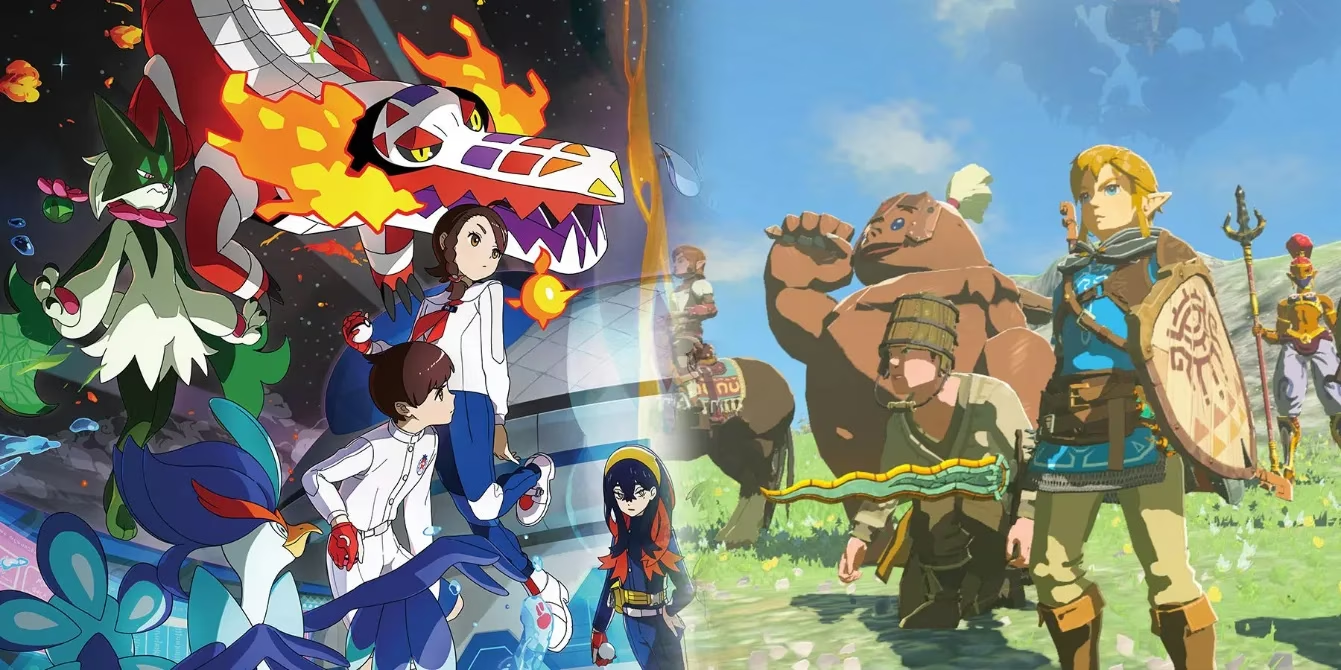
In 2026, the lesson still stands. Game Freak does not need to turn gyms into ancient technology labs or give Pikachu a hoverboard. It needs to borrow the philosophy: trust the player, build around mechanics, and let the puzzle be the star. My inner gym leader is weeping into a type chart, and frankly, she deserves better. So please, Game Freak, steal Zelda's shrine homework for Gen 10. I promise not to tell Professor Oak. He is busy enough.